Green Tea

Show filters

Category
Show filters(4)
Sort by:
Category

4 products

Sort by
Sold out
Decaffeinated Green Tea Extract 750MG - 100 Capsules - Antioxidant Support, Heart Health
Decaffeinated Green Tea Extract, Antioxidant, 100 Capsules

ESSENTIAL INGREDIENT FOR HEART HEALTH.*
Give your heart the help it needs with Green Tea Extract. Packed with catechins, the active ingredient in green tea, our extract contains antioxidants that may improve heart health.*
ANTIOXIDANT SUPPORT*
HEART HEALTH*
Green Tea is less processed, compared to Black Tea, which allows it to retain more active flavonoids and polyphenols. Valued as a healthful tonic for more than 4,000 years, Green Tea has traditionally been used to support heart health and antioxidant support.* Our decaffeinated extract is perfect for those who are avoiding caffeine, but still want to reap the benefits of Green Tea.*

DIRECTIONS: For adults, take 1 capsule twice daily, preferably with meals. Capsule may be opened and prepared as a tea.

WARNING: If you are pregnant, nursing, taking any medications, including blood thinners, or have any medical condition, consult your doctor before use. Discontinue use and consult your doctor if any adverse reactions occur. Keep out of reach of children. Do not use if seal under cap is broken or missing.

Store at room temperature.

Sale price$19.99
Sold out
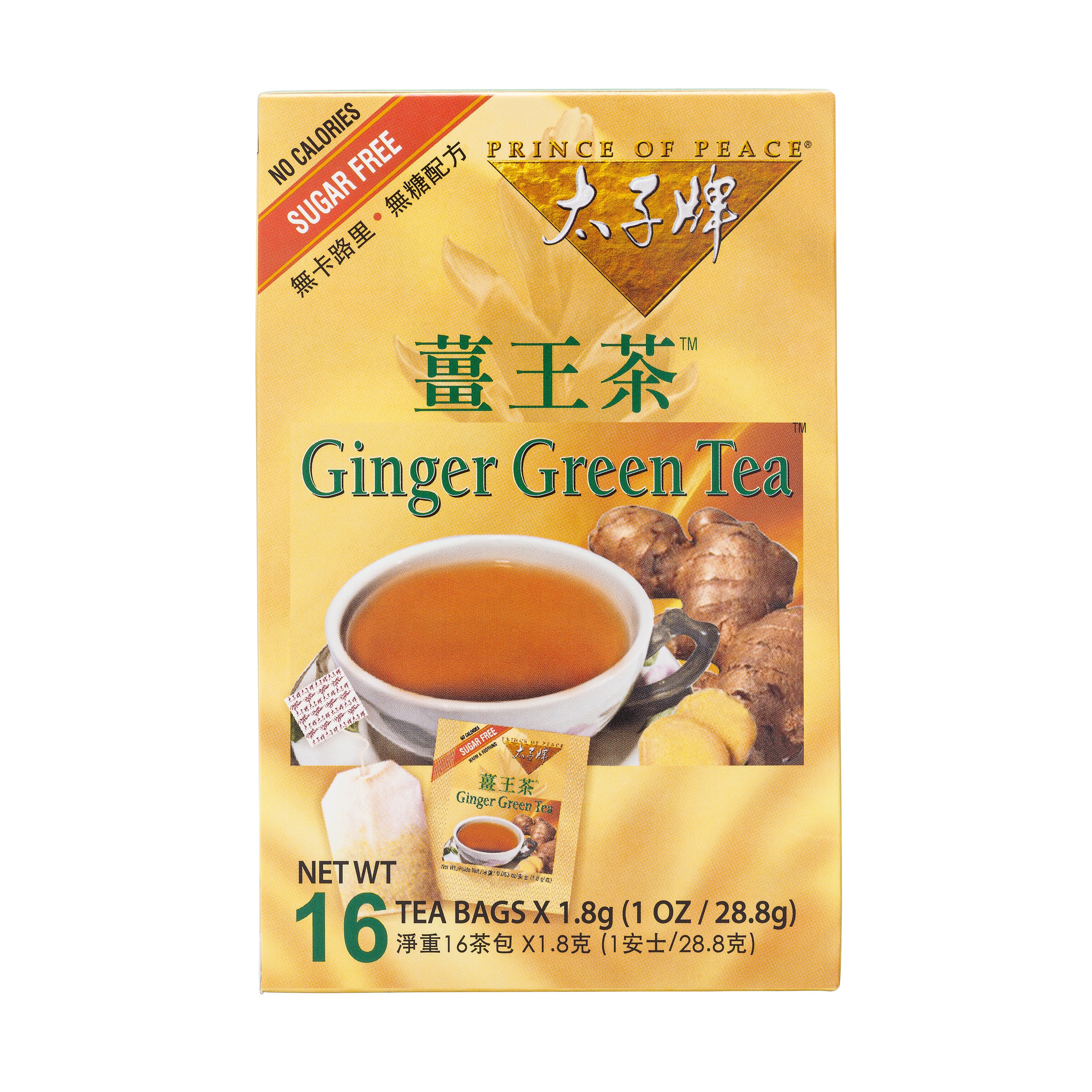
Ginger Green Tea
Ginger Green Tea

From the Manufacturer:
Enjoy this warm & soothing tea ginger tea brought to you by Prince of Peace®. Our special proprietary blend  brings you all the natural benefits of Ginger. Our tea has an appealing aroma and exquisitely smooth taste. It’s sugar free and has no calories. You’ll love this natural sweet and spicy flavor!

  • Ginger Can Comfort & Calm the Stomach*
  • Green Tea Has Antioxidant Benefits*
  • No Calories
  • Sugar Free
Sale price$5.99
5.0
Sold out
Green Tea Extract 750mg 100ct - Antioxidant Defense, Cardiovascular and Immune Support
Green Tea Extract, Immune Support, 100 Capsules MAXIMUM STRENGTH GREEN TEA EXTRACT.
Green tea extract contains numerous phytochemicals, most notably polyphenols and catechins, which have many health-supporting properties. They act as antioxidants, protecting against oxidative stress, supporting health, and aiding in weight management.* Green tea extract benefits the immune and cardiovascular systems, promoting overall cell protection and health.*

ANTIOXIDANT DEFENSE*
CARDIOVASCULAR & IMMUNE SUPPORT*

DIRECTIONS: For adults, take 1 capsule twice daily, preferably with meals. Capsule may be opened and prepared as a tea.

WARNING: If you are pregnant, nursing, taking any medications or have any medical condition, consult your doctor before use. Discontinue use and consult your doctor if any adverse reactions occur. Keep out of reach of children. Do not use if seal under cap is broken or missing.

Store at room temperature.
Sale price$36.99
Matcha Green Tea
Matcha Green Tea

Matcha comes from the Japanese words for cha, meaning tea, and ma, which means powder. This stunningly green powdered tea can be traced back to as early as 2700 B.C., when Chinese Emperor Shen Nong first popularized the custom of tea drinking. From there, green tea spread to Japan, where the practice evolved into a fascinating ritual and an integral part of health and wellness practices. Today, green tea — and matcha specifically — is treasured over the world for its dynamic properties, many of which are now supported by science, as well as its phenomenal taste.

Whereas many green teas contain only parts of the tea leaf, our matcha makes use of the entire leaf. Each plant is cultivated by local farmers in Japan, who take great pride in cultivating their crops using traditional methods that date back more than eight centuries. The plants are protected from sunlight, a practice that further boosts the tea’s chlorophyll levels, and the leaves are picked by hand, with coarse fibers, stems, and other debris quickly discarded.

As the leaves are meticulously sorted, they’re also separated into grades. The prized “ceremonial grade” is reserved for the youngest and highest quality leaves. Those leaves are then ground using a stone mill until a uniquely shaped powder molecule emerges.

The result? A mild, smooth, refined product that’s a pleasure to consume.

  • Support weight control
  • Eliminate toxins
  • Improve digestion
  • Fight off the aging effects of free radicals
  • Boost memory
  • Lower blood pressure
  • Calm the mind and spirit
Sale price$21.49
4.0

Rooted in intention

Explore our journal

Vitamin World
The Energy Decoder: Why You're Always Tired in Winter & How to Fix It
The Energy Decoder Why You're Always Tired in Winter How to Fix It Winter arrives with the promise of picturesque snow-covered lanes, sparkling lights, fireplaces aglowand the sudden urge to hibernate. Have you ever found yourself smashing the snooze button when the temperature drops or felt mysteriously draineddespitegetting more sleep? Youre not alone. Winter fatigue is a universal experience, but heres the twist: it has far less to do with laziness and everything to do with your biology. Your body runs on rhythms, chemistry, and light cues. Unfortunately, winter can disrupt nearly all of them. Consider this a guided deep-dive into therealreasons you're dragging this season, with easy steps to follow and some targeted supplements to bring your energy back for a vibrant end of the year. Winter Fatigue Is Real Take moment right now to think about how you have felt over the past few weeks. Have you experienced any of the following: Struggling to get out of bed even after a full nights sleep Feeling heavy and unmotivated after lunch Experiencing brain fog that makes even simple tasks feel like an uphill battle The question iswhy does winter hit so hard?Is it just cold weather or is your body missing something essential? The answer? Winter shifts your internal clock, alters your brain chemistry, and often leaves key nutrients depleted. Before we dive into solutions, lets decode what winter actually does to your energy. Why Are We More Tired in Winter? Lets start with the basics to understand your bodys Seasonal Rhythm. Less Sunlight Confuses Your Body Clock Your circadian rhythm relies on light, especially morning light, to regulate two major hormones. Melatoninis a hormone your brain releases in response to the dark that helps regulate your sleep cycle. The other is serotonin, which supports mood, emotional balance, and overall well-being while also acting as a precursor to melatonin. With winters shorter, darker days, melatonin production stretches further into your morning, making you groggy. Meanwhile, serotonin synthesis gets reduced, leaving you with low drive and lower daytime alertness. Your body isnt malfunctioning. Its reacting to the environment. Thermoregulation: Burning More Energy Than You Think Even when youre sitting still, your body works hard to maintain a safe internal temperature. In cold weather, this process, thermoregulation, requires more energy than it would in warmer months. That means when temperatures outside drop, your body must burn more fuel just to keep you warm. If youve ever wondered why simply existing in winter feels like a workout, that is your answer. The MoodMotivation Connection Many people experience a dip in mood when daylight decreases. There are many names for this mood shift (such as the winter blues) and while it varies in intensity, the effect is very real. If you have felt down in the winter, it could be due to the fact that a lower mood correlates with lower motivation and therefore lower perceived energy. Our emotional and physical systems are not separate. When one slows down, the other feels it and can follow suit. Where Does Your Energy Come From? Read on to learn more about your Cellular Powerhouse. Meet Your Mitochondria: The Energy Factory Inside almost every cell, tiny structures called mitochondria act like microscopic power plants. Their job is simple but essential: they take the food you eat and convert it into ATP, the usable energy your body runs on. Remember that famousI Love Lucychocolate factory scene? At first, Lucy keeps pace with the conveyor belt, wrapping each chocolate as it comes. But the moment one small mistake happens, the entire system starts to spiral. She scrambles to catch up, errors pile on, and the line descends into chaos. Your mitochondria function in a similar way. When everything runs smoothly, energy production feels effortless. But if even one station in this cellular assembly line falters, the whole system slows and you feel it as fatigue, sluggishness, and reduced resilience. The Energy Production Line: Essential Nutrients That Keep You Running Energy production is a chain reaction. If even one step is nutrient-deficient, your power line loses efficiency. These nutrients act as the technicians, spark plugs, and quality-control officers for your own personal energy factory: B Vitamins (B1, B2, B3, B6, B12)They help convert carbohydrates, fats, and proteins into ATP. Without them, your mitochondrial factory workers have no instructions. CoQ10A key player in the electron transport chain. Think of it as a conveyor belt that keeps the energy assembly line moving. Levels naturally decline with age. IronCritical for oxygen transport. Without enough oxygen reaching your cells, ATP production slows dramatically. MagnesiumInvolved in over 300 enzymatic reactions, including both the creationandusage of ATP. Its quite the quiet hero of sustained energy. Winter often compounds nutritional deficiencies because diets change, activity l
Vitamin World
The Energy Decoder: Why You're Always Tired in Winter & How to Fix It
The Energy Decoder Why You're Always Tired in Winter How to Fix It Winter arrives with the promise of picturesque snow-covered lanes, sparkling lights, fireplaces aglowand the sudden urge to hibernate. Have you ever found yourself smashing the snooze button when the temperature drops or felt mysteriously draineddespitegetting more sleep? Youre not alone. Winter fatigue is a universal experience, but heres the twist: it has far less to do with laziness and everything to do with your biology. Your body runs on rhythms, chemistry, and light cues. Unfortunately, winter can disrupt nearly all of them. Consider this a guided deep-dive into therealreasons you're dragging this season, with easy steps to follow and some targeted supplements to bring your energy back for a vibrant end of the year. Winter Fatigue Is Real Take moment right now to think about how you have felt over the past few weeks. Have you experienced any of the following: Struggling to get out of bed even after a full nights sleep Feeling heavy and unmotivated after lunch Experiencing brain fog that makes even simple tasks feel like an uphill battle The question iswhy does winter hit so hard?Is it just cold weather or is your body missing something essential? The answer? Winter shifts your internal clock, alters your brain chemistry, and often leaves key nutrients depleted. Before we dive into solutions, lets decode what winter actually does to your energy. Why Are We More Tired in Winter? Lets start with the basics to understand your bodys Seasonal Rhythm. Less Sunlight Confuses Your Body Clock Your circadian rhythm relies on light, especially morning light, to regulate two major hormones. Melatoninis a hormone your brain releases in response to the dark that helps regulate your sleep cycle. The other is serotonin, which supports mood, emotional balance, and overall well-being while also acting as a precursor to melatonin. With winters shorter, darker days, melatonin production stretches further into your morning, making you groggy. Meanwhile, serotonin synthesis gets reduced, leaving you with low drive and lower daytime alertness. Your body isnt malfunctioning. Its reacting to the environment. Thermoregulation: Burning More Energy Than You Think Even when youre sitting still, your body works hard to maintain a safe internal temperature. In cold weather, this process, thermoregulation, requires more energy than it would in warmer months. That means when temperatures outside drop, your body must burn more fuel just to keep you warm. If youve ever wondered why simply existing in winter feels like a workout, that is your answer. The MoodMotivation Connection Many people experience a dip in mood when daylight decreases. There are many names for this mood shift (such as the winter blues) and while it varies in intensity, the effect is very real. If you have felt down in the winter, it could be due to the fact that a lower mood correlates with lower motivation and therefore lower perceived energy. Our emotional and physical systems are not separate. When one slows down, the other feels it and can follow suit. Where Does Your Energy Come From? Read on to learn more about your Cellular Powerhouse. Meet Your Mitochondria: The Energy Factory Inside almost every cell, tiny structures called mitochondria act like microscopic power plants. Their job is simple but essential: they take the food you eat and convert it into ATP, the usable energy your body runs on. Remember that famousI Love Lucychocolate factory scene? At first, Lucy keeps pace with the conveyor belt, wrapping each chocolate as it comes. But the moment one small mistake happens, the entire system starts to spiral. She scrambles to catch up, errors pile on, and the line descends into chaos. Your mitochondria function in a similar way. When everything runs smoothly, energy production feels effortless. But if even one station in this cellular assembly line falters, the whole system slows and you feel it as fatigue, sluggishness, and reduced resilience. The Energy Production Line: Essential Nutrients That Keep You Running Energy production is a chain reaction. If even one step is nutrient-deficient, your power line loses efficiency. These nutrients act as the technicians, spark plugs, and quality-control officers for your own personal energy factory: B Vitamins (B1, B2, B3, B6, B12)They help convert carbohydrates, fats, and proteins into ATP. Without them, your mitochondrial factory workers have no instructions. CoQ10A key player in the electron transport chain. Think of it as a conveyor belt that keeps the energy assembly line moving. Levels naturally decline with age. IronCritical for oxygen transport. Without enough oxygen reaching your cells, ATP production slows dramatically. MagnesiumInvolved in over 300 enzymatic reactions, including both the creationandusage of ATP. Its quite the quiet hero of sustained energy. Winter often compounds nutritional deficiencies because diets change, activity l
Vitamin World
Taking GLP-1 Benefits, Uses, and What You Need to Know
What is a GLP-1 agonist drug? GLP-1, or glucagon-like peptide 1, is a hormone present naturally in the body. It helps to: Regulate blood sugar levels by stimulating the release of insulin Slow gastric emptying, suppress appetite, and reduce food cravings Drugs like Semaglutide (Ozempic, Wegovy) and Tirzepatide (Mounjaro, Zepbound) mimic the naturally occurring hormones that control blood sugar levels through the release of insulin. This process aids glucose regulation. Semaglutide has been used in the management of Type 2 diabetes to improve blood sugar control. It was found thatGLP-1agonists are also effective in promoting weight management by reducing appetite and promoting the feeling of satiety. Along with reductions in caloric intake, adequate water intake and physical activity this class of drugs canhelpa person achieve their weight goals. Why is proper nutrition important for people taking these drugs? When cutting calories, it is important to eat a well-balanced diet with fruit, vegetables, whole grains, lean protein and healthy fats to ensure proper nutritional intake. Many people trying to lose weight, including those taking a GLP-1 agonist, may not get adequate nutrition from foods due to lack of appetite, or the possibility of gastric upset. Therefore, a vitamin-mineral supplement as well as Protein-based and Greens products, and other select supplements, are helpful to ensure the body gets adequate nutrition to maintain overall wellness and combat potential undesired effects from the GLP-1 agonists. Potential Side Effects of GLP-1 Medications: Gastrointestinal discomfort including constipation, diarrhea, nausea, and indigestion Loss of bone density and/or strength, loss of muscle mass and energy Inadequate nutrition intake from foods Key Considerations for GLP-1 Therapy Support: Bone Health: Ensure adequate Calcium, Magnesium, Vitamin K, and Vitamin D intake to maintain strong and healthy bones.* Muscle Mass: Prevent muscle loss by adding Protein, Amino Acids and other exercise support supplements into your routine.* Energy Levels: Low energy levels may occur during GLP-1 therapy. This can be managed with a balanced, nutrient-dense diet along with additional supplements to assist your body in maintaining energy levels.* Nutrition Support: Decreased appetite can make meeting nutritional needs challenging, emphasizing the importance of nutrient-dense meals and intake of vitamin and mineral supplements. Gut Health: Common gastrointestinal side effects like constipation, diarrhea, nausea and indigestion can often be managed through proper hydration and dietary adjustments. Taking supplements such as fiber, ginger, probiotics and enzymes can help maintain a healthy digestive tract.* Weight Management: While reduced appetite from taking these medications supports weight loss, it is important to have a plan for weight management when ending use. Balanced and mindful nutrition, including the use of supplements, can help sustain your progress. * *These statements have not been evaluated by the Food and Drug Administration. These products are not intended to diagnose, treat, cure or prevent any disease.
Vitamin World
Taking GLP-1 Benefits, Uses, and What You Need to Know
What is a GLP-1 agonist drug? GLP-1, or glucagon-like peptide 1, is a hormone present naturally in the body. It helps to: Regulate blood sugar levels by stimulating the release of insulin Slow gastric emptying, suppress appetite, and reduce food cravings Drugs like Semaglutide (Ozempic, Wegovy) and Tirzepatide (Mounjaro, Zepbound) mimic the naturally occurring hormones that control blood sugar levels through the release of insulin. This process aids glucose regulation. Semaglutide has been used in the management of Type 2 diabetes to improve blood sugar control. It was found thatGLP-1agonists are also effective in promoting weight management by reducing appetite and promoting the feeling of satiety. Along with reductions in caloric intake, adequate water intake and physical activity this class of drugs canhelpa person achieve their weight goals. Why is proper nutrition important for people taking these drugs? When cutting calories, it is important to eat a well-balanced diet with fruit, vegetables, whole grains, lean protein and healthy fats to ensure proper nutritional intake. Many people trying to lose weight, including those taking a GLP-1 agonist, may not get adequate nutrition from foods due to lack of appetite, or the possibility of gastric upset. Therefore, a vitamin-mineral supplement as well as Protein-based and Greens products, and other select supplements, are helpful to ensure the body gets adequate nutrition to maintain overall wellness and combat potential undesired effects from the GLP-1 agonists. Potential Side Effects of GLP-1 Medications: Gastrointestinal discomfort including constipation, diarrhea, nausea, and indigestion Loss of bone density and/or strength, loss of muscle mass and energy Inadequate nutrition intake from foods Key Considerations for GLP-1 Therapy Support: Bone Health: Ensure adequate Calcium, Magnesium, Vitamin K, and Vitamin D intake to maintain strong and healthy bones.* Muscle Mass: Prevent muscle loss by adding Protein, Amino Acids and other exercise support supplements into your routine.* Energy Levels: Low energy levels may occur during GLP-1 therapy. This can be managed with a balanced, nutrient-dense diet along with additional supplements to assist your body in maintaining energy levels.* Nutrition Support: Decreased appetite can make meeting nutritional needs challenging, emphasizing the importance of nutrient-dense meals and intake of vitamin and mineral supplements. Gut Health: Common gastrointestinal side effects like constipation, diarrhea, nausea and indigestion can often be managed through proper hydration and dietary adjustments. Taking supplements such as fiber, ginger, probiotics and enzymes can help maintain a healthy digestive tract.* Weight Management: While reduced appetite from taking these medications supports weight loss, it is important to have a plan for weight management when ending use. Balanced and mindful nutrition, including the use of supplements, can help sustain your progress. * *These statements have not been evaluated by the Food and Drug Administration. These products are not intended to diagnose, treat, cure or prevent any disease.
Vitamin World
The Post-Holiday Revival
The Post-Holiday Revival Your Guide to a January Reset for Clarity, Comfort, and Energy By mid-January, the decorations are down, inboxes are full again, and yet something still feels off. Is it because the house is quieter? All the plans are crossed off the calendar? Its not emptiness, and certainly nothing is broken. Things just feel a bit heavy. Foggy, perhaps. If youve noticed that your body hasnt quite caught up to the calendar change, youre not alone. The holidays ask a lot of us physically: busy days, richer meals, later nights, more sugar, more alcohol, less water, disrupted routines. Even joyful indulgence is still a form of stress, and the body needs time to recalibrate once the noise subsides. This isnt the time for punishment or extremes. January doesnt need a detox boot camp or a drastic overhaul. What most of us need instead is a healthrevival: a gentle, science-aware return to balance that supports the bodys natural recovery systems and helps us feel lighter, clearer, and more energized again. We have a new year to tackle, dont we?! Below, we at Vitamin World walk you through what your body may be experiencing right now and how to support it, calmly and realistically. When the Celebrations End, Recovery Begins During the holidays, your body is remarkably adaptable. It processes heavier foods, may metabolize alcohol, manages blood sugar swings, and keeps going even when sleep is shortened all while running on the excitement of the holiday season. But adaptability doesnt mean immunity. Once the festivities slow down, many people notice lingering effects: A sense of physical heaviness or puffiness Stiffness or low-grade inflammation Sluggish digestion Brain fog, low motivation, or scattered energy None of this means something is wrong with you. But it could indicate that your internal systems are catching up. A post-holiday revival focuses onsupporting recovery, not forcing change. Supporting the Bodys Filtration and Recovery Systems Think back to the last few weeks of December. Were you eating richer meals, partaking in celebratory drinks, sampling salty snacks, and forgoing those familiar hydration cues? If so, your bodys filtration and detoxification systems (particularly the liver and kidneys) have been working overtime to process it all. In January, subtle support goes a long way towards helping those overworked organs. What Helps Right Now: Returning to consistent hydration, especially in winter when thirst cues are blunted Emphasizing whole foods with natural bitterness or fiber (leafy greens, citrus, legumes) Giving the body predictable rhythms again: regular meals, consistent sleep and wake times Rather than cleansing, the goal is simply toreduce the loadand allow recovery systems to function optimally again. Soothing Inflammation and Physical Heaviness Holiday habits often layer multiple inflammation triggers at once: sugar, refined carbohydrates, alcohol, late nights, and stress. The result can feel like general puffiness, stiffness, or a sense that your body is carrying extra weight even if the scale hasnt changed much. This phase of your health revival is about calming signals, not restriction. Gentle Ways to Support Balance: Prioritizing sleep consistency over perfection Choosing warming, anti-inflammatory foods (soups, spices, cooked vegetables) Light movement that encourages circulation without depletion walking, stretching, gentle yoga When inflammation settles, many people notice that comfort returns before energy does, and thats exactly the order of progress you want to see. Reigniting Mental Clarity and Metabolic Energy By mid-January, the mental side of post-holiday recovery often feels the hardest. Mornings drag. Focus comes slowly. Motivation feels scattered. Work schedules dont align and activity can feel burdensome. Dont be hard on yourself, this isnt a character flaw - its often a biochemical lag. After weeks of disrupted sleep, irregular meals, and blood sugar swings, the brain and mitochondria (your cellular energy centers) need time to recalibrate. Supportive Strategies Include: Eating breakfast with protein and fat to stabilize energy Getting natural light early in the day (Remember your winter wellness goals? They carry over to this month!) Reducing reliance on late-day caffeine and giving the nervous system space to reset Clarity tends to return gradually. First in moments, then in hours, then as a baseline you can trust. Supportive Tools for your January Health Revival Once lifestyle foundations are back in place, certain supplements can act assupportive partners, helping the body do what its already designed to do. These arent quick fixes or medical solutions, but simply helpful tools that align with natural recovery. Fromour team at Vitamin World, we have some terrific supplements sure to help you during post-holiday recovery including: Liver Vitality Support Milk ThistleTraditionally used to support liver health and antioxidant activity during periods of in
Vitamin World
The Post-Holiday Revival
The Post-Holiday Revival Your Guide to a January Reset for Clarity, Comfort, and Energy By mid-January, the decorations are down, inboxes are full again, and yet something still feels off. Is it because the house is quieter? All the plans are crossed off the calendar? Its not emptiness, and certainly nothing is broken. Things just feel a bit heavy. Foggy, perhaps. If youve noticed that your body hasnt quite caught up to the calendar change, youre not alone. The holidays ask a lot of us physically: busy days, richer meals, later nights, more sugar, more alcohol, less water, disrupted routines. Even joyful indulgence is still a form of stress, and the body needs time to recalibrate once the noise subsides. This isnt the time for punishment or extremes. January doesnt need a detox boot camp or a drastic overhaul. What most of us need instead is a healthrevival: a gentle, science-aware return to balance that supports the bodys natural recovery systems and helps us feel lighter, clearer, and more energized again. We have a new year to tackle, dont we?! Below, we at Vitamin World walk you through what your body may be experiencing right now and how to support it, calmly and realistically. When the Celebrations End, Recovery Begins During the holidays, your body is remarkably adaptable. It processes heavier foods, may metabolize alcohol, manages blood sugar swings, and keeps going even when sleep is shortened all while running on the excitement of the holiday season. But adaptability doesnt mean immunity. Once the festivities slow down, many people notice lingering effects: A sense of physical heaviness or puffiness Stiffness or low-grade inflammation Sluggish digestion Brain fog, low motivation, or scattered energy None of this means something is wrong with you. But it could indicate that your internal systems are catching up. A post-holiday revival focuses onsupporting recovery, not forcing change. Supporting the Bodys Filtration and Recovery Systems Think back to the last few weeks of December. Were you eating richer meals, partaking in celebratory drinks, sampling salty snacks, and forgoing those familiar hydration cues? If so, your bodys filtration and detoxification systems (particularly the liver and kidneys) have been working overtime to process it all. In January, subtle support goes a long way towards helping those overworked organs. What Helps Right Now: Returning to consistent hydration, especially in winter when thirst cues are blunted Emphasizing whole foods with natural bitterness or fiber (leafy greens, citrus, legumes) Giving the body predictable rhythms again: regular meals, consistent sleep and wake times Rather than cleansing, the goal is simply toreduce the loadand allow recovery systems to function optimally again. Soothing Inflammation and Physical Heaviness Holiday habits often layer multiple inflammation triggers at once: sugar, refined carbohydrates, alcohol, late nights, and stress. The result can feel like general puffiness, stiffness, or a sense that your body is carrying extra weight even if the scale hasnt changed much. This phase of your health revival is about calming signals, not restriction. Gentle Ways to Support Balance: Prioritizing sleep consistency over perfection Choosing warming, anti-inflammatory foods (soups, spices, cooked vegetables) Light movement that encourages circulation without depletion walking, stretching, gentle yoga When inflammation settles, many people notice that comfort returns before energy does, and thats exactly the order of progress you want to see. Reigniting Mental Clarity and Metabolic Energy By mid-January, the mental side of post-holiday recovery often feels the hardest. Mornings drag. Focus comes slowly. Motivation feels scattered. Work schedules dont align and activity can feel burdensome. Dont be hard on yourself, this isnt a character flaw - its often a biochemical lag. After weeks of disrupted sleep, irregular meals, and blood sugar swings, the brain and mitochondria (your cellular energy centers) need time to recalibrate. Supportive Strategies Include: Eating breakfast with protein and fat to stabilize energy Getting natural light early in the day (Remember your winter wellness goals? They carry over to this month!) Reducing reliance on late-day caffeine and giving the nervous system space to reset Clarity tends to return gradually. First in moments, then in hours, then as a baseline you can trust. Supportive Tools for your January Health Revival Once lifestyle foundations are back in place, certain supplements can act assupportive partners, helping the body do what its already designed to do. These arent quick fixes or medical solutions, but simply helpful tools that align with natural recovery. Fromour team at Vitamin World, we have some terrific supplements sure to help you during post-holiday recovery including: Liver Vitality Support Milk ThistleTraditionally used to support liver health and antioxidant activity during periods of in
View More