

Show filters
Product Details
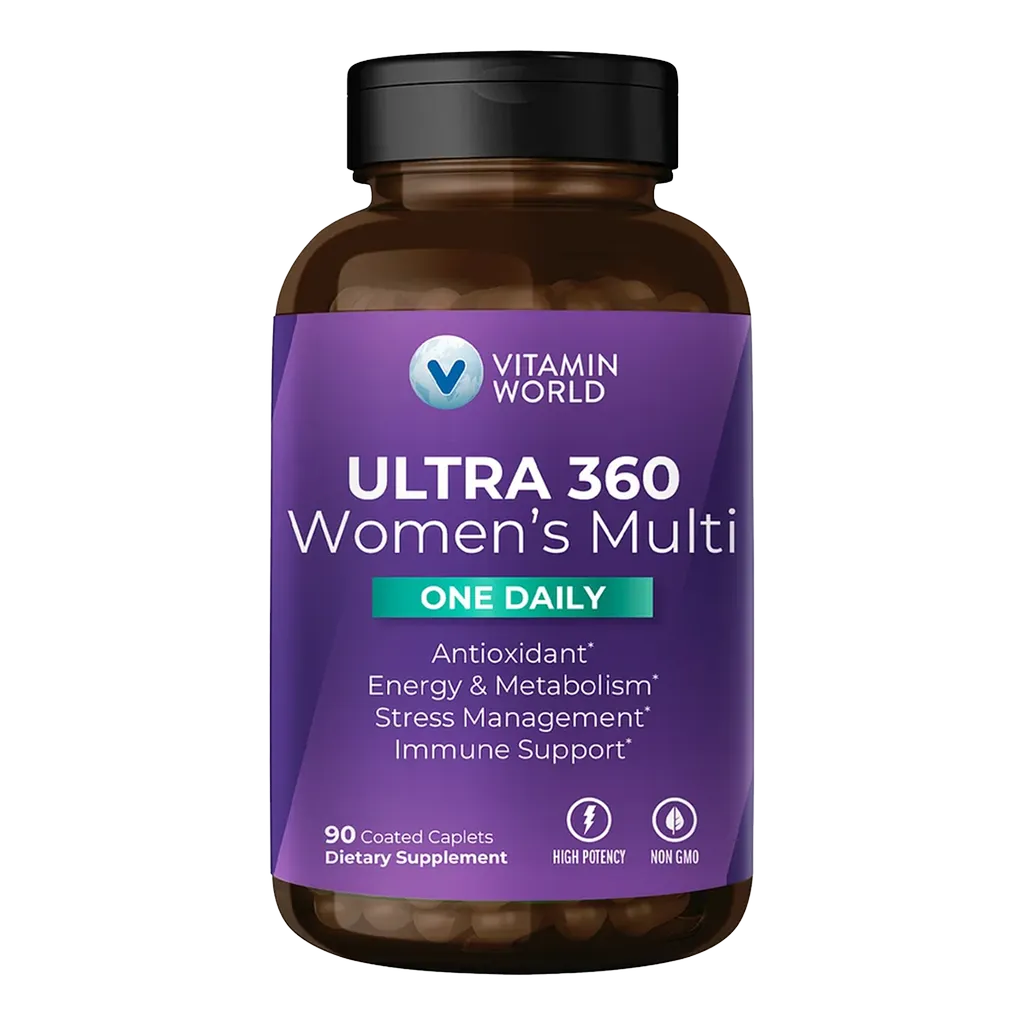
Take on the challenges of the day, including antioxidants and collagen for healthy skin, in one convenient power-packed vitamin.* Relax and say ahhh….with ashwagandha for stress.*
Features & Highlights
Meet your go anywhere, do anything, one is all it takes, feel better about yourself, daily multivitamin.
Antioxidant*
Energy & metabolism*
Stress management*
Immune support*
Suggested Use:
For adult women, take 1 caplet daily with a meal.
Warnings:
Not intended for use by pregnant or nursing women. If you are taking any medications, planning any medical or surgical procedure, or have any medical condition, consult your doctor before use. Discontinue use if you experience stomach discomfort. Consult your doctor if any adverse reactions occur. Not intended for use by persons under the age of 18. WARNING: Accidental overdose of iron-containing products is a leading cause of fatal poisoning in children under 6. Keep this product out of reach of children. In case of accidental overdose, call a doctor or poison control center immediately. Do not use if seal under cap is broken or missing. Contains ingredients that may result in a variation of color and appearance over time.
Storage Condition:
Store at room temperature.
* These statements have not been evaluated by the Food and Drug Administration. This product is not intended to diagnose, treat, cure or prevent any disease.

Product Details
Packed with enzymes that help break down food so it’s easier to digest.
Features & Highlights
Better belly.*
Digestive health*
Suggested Use:
For adults, take 2 caplets before or after meals.
Warnings:
If you are pregnant, nursing, taking any medications, planning any medical or surgical procedure or have any medical condition, consult your doctor before use. Discontinue use and consult your doctor if any adverse reactions occur. Keep out of reach of children. Do not use if seal under cap is broken or missing. This product contains natural enzymes that sometimes have a distinctive odor. DIRECTIONS: For adults, take 2 caplets before or after meals. WARNING: If you are pregnant, nursing, taking any medications, or have any medical condition, consult your doctor before use. Discontinue use and consult your doctor if any adverse reactions occur. Keep out of reach of children. Do not use if seal under cap is broken or missing. Store at room temperature. This product contains natural enzymes that sometimes have a distinctive odor. ⚠ CALIFORNIA WARNING: Can expose you to lead, a reproductive toxicant. See www.P65Warnings.ca.gov.
Storage Condition:
Store at room temperature.
Allergen Information:
Tree nut (Coconut).
AMINOGEN® is a registered trademark of Innophos, LLC.
AMINOGEN® is a registered trademark of Innophos, LLC.
* These statements have not been evaluated by the Food and Drug Administration. This product is not intended to diagnose, treat, cure or prevent any disease.

Product Details
Designed to meet the demands of today’s active lifestyle, with a power packed blend of vitamins, herbs, and minerals, engineered to support your wellness goals. Heart health starts here with robust antioxidant power.*
Features & Highlights
Meet your go anywhere, do anything, take on the world, daily multivitamin.
Essential nutrition*
Energy & metabolism*
Immune support*
Brain, bone & heart health*
Suggested Use:
For adult men, take 2 caplets daily with a meal.
Warnings:
This product is intended for use by men and is not intended for use by women. If you are taking any medications, planning any medical or surgical procedure or have any medical condition, consult your doctor before use. Discontinue use and consult your doctor if any adverse reactions occur. Not intended for use by persons under the age of 18. Keep out of reach of children. Contains ingredients that may result in a variation of color and appearance over time.
Storage Condition:
Store at room temperature.
* These statements have not been evaluated by the Food and Drug Administration. This product is not intended to diagnose, treat, cure or prevent any disease.

Product Details
When it comes to joint health, move it or lose it. Double Strength Joint Mover™ is designed to promote comfortable mobility, flexibility, and joint nourishment for day-to-day activities.*
Each serving of Double Strength Joint Mover™ is formulated with key ingredients such as glucosamine for supporting cartilage and joints.* MSM works with glucosamine and chondroitin. When taken daily, Double Strength Joint Mover™ helps support the cellular components within the joints.*
Features & Highlights
Move it or lose it.
glucosamine
chondroitin
MSM
Suggested Use:
For adults, take 3 caplets daily, preferably with a meal.
Warnings:
If you are pregnant, nursing, taking any medications, including blood thinners, or have any medical condition, consult your doctor before use. Discontinue use and consult your doctor if any adverse reactions occur. Not intended for use by persons under the age of 18. Keep out of reach of children. Do not use if seal under cap is broken or missing.
Storage Condition:
Store at room temperature.
Allergen Information:
Shellfish (crab, shrimp, lobster, crayfish).
* These statements have not been evaluated by the Food and Drug Administration. This product is not intended to diagnose, treat, cure or prevent any disease.
Product Details
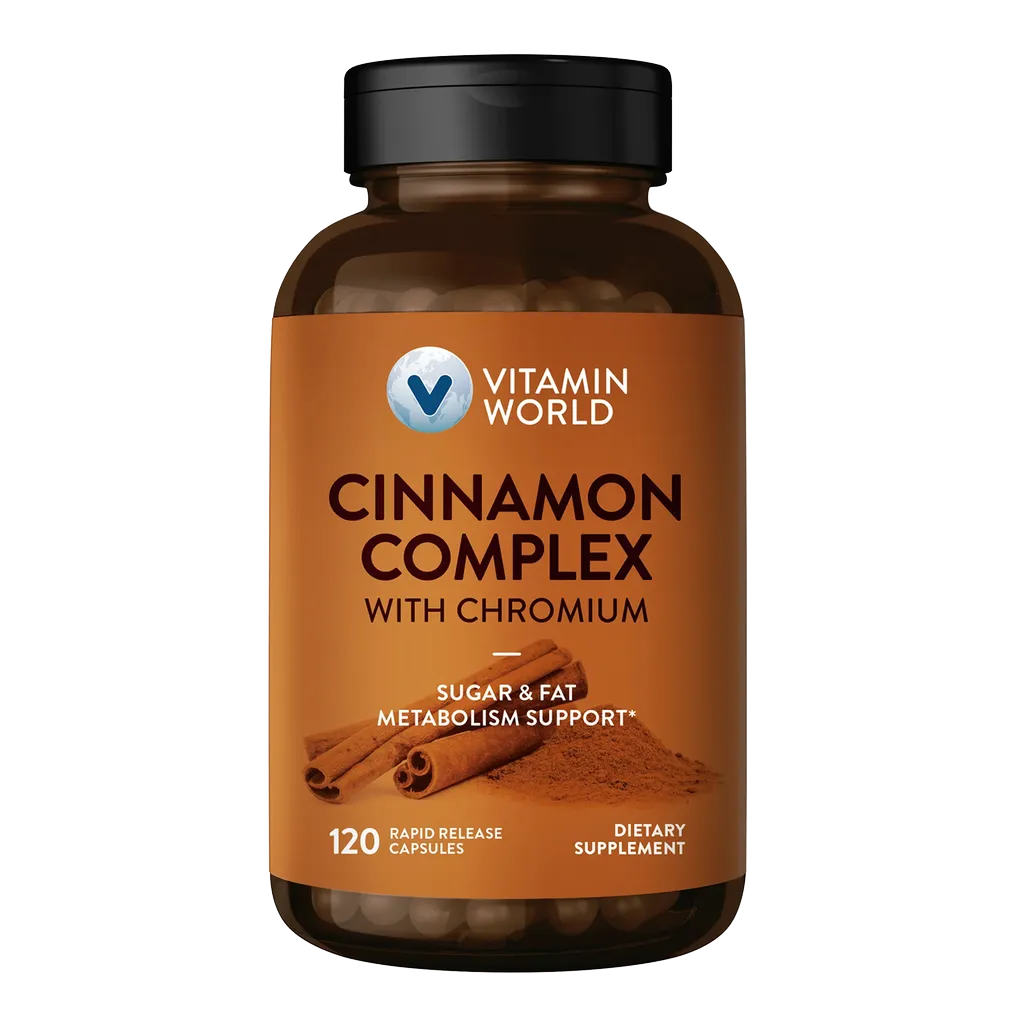
Containing powerful antioxidants and anti-inflammatory properties to help maintain sugar levels already within a healthy range and promote overall health.*
Cinnamon is an herb with a rich history of traditional use. Chromium contains essential trace minerals that support carbohydrate and fat metabolism.*
Features & Highlights
The spice of life.
Sugar & fat metabolism support*
Suggested Use:
For adults, take 1 capsule twice daily, preferably with meals. Capsules can be opened and the contents added to your favorite beverage or food.
Warnings:
Not intended for use by pregnant or nursing women. If you are taking any medications or have any medical condition, consult your doctor before use. Discontinue use and consult your doctor if any adverse reactions occur. Keep out of reach of children. Do not use if seal under cap is broken or missing.
Storage Condition:
Store at room temperature.
* These statements have not been evaluated by the Food and Drug Administration. This product is not intended to diagnose, treat, cure or prevent any disease.
Product Details
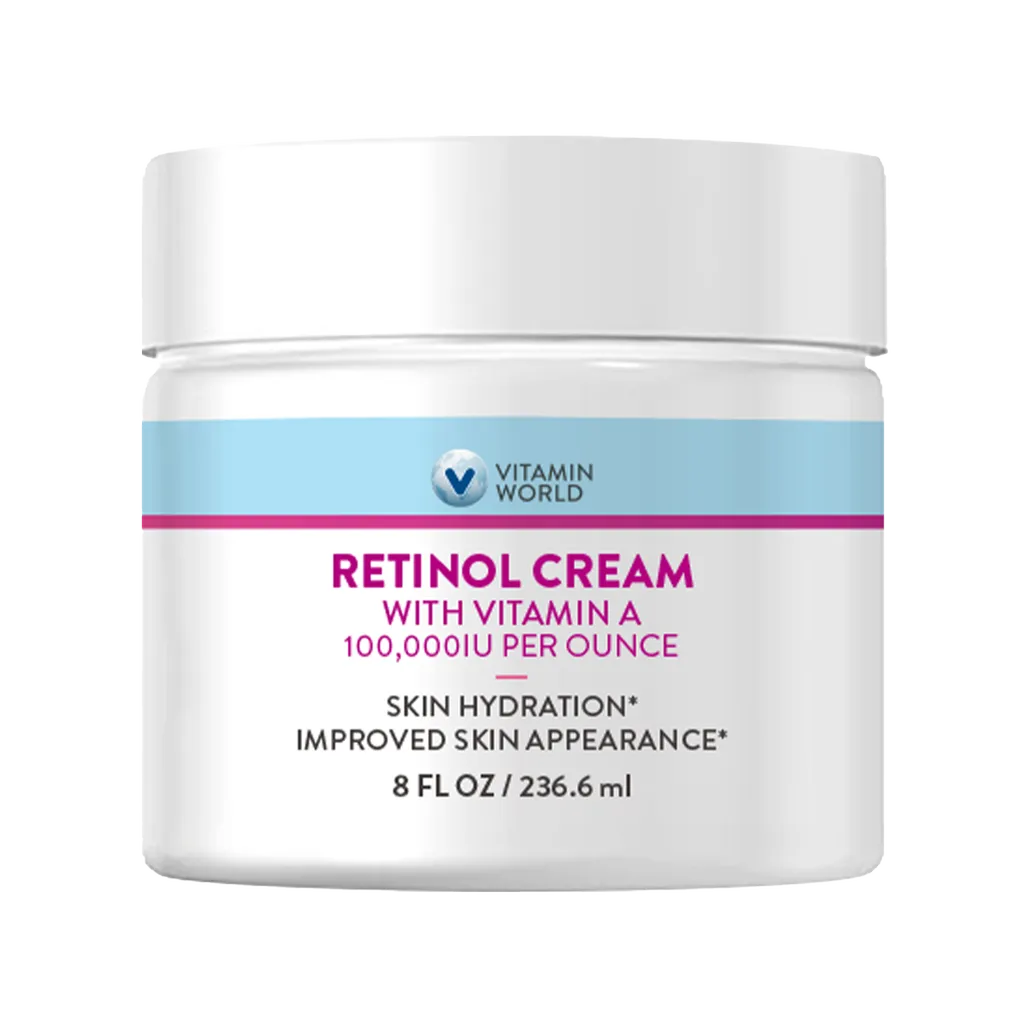
At night, Retinol Cream goes to work, revitalizing and hydrating your skin. Retinol Cream helps reduce the appearance of fine lines and wrinkles and can help set damaged skin on a healthier course.
Features & Highlights
Real beauty begins from within.
Skin hydration
Improved skin appearance
Suggested Use:
Apply a small amount to face at bedtime, after cleansing.
Warnings:
Do not apply to broken or irritated skin or areas affected by rashes. Discontinue use and consult your doctor if skin sensitivity occurs. Avoid contact with eyes. Do not use on children or animals. For external use only. Do not ingest. Keep out of reach of children.
* These statements have not been evaluated by the Food and Drug Administration. This product is not intended to diagnose, treat, cure or prevent any disease.
Product Details
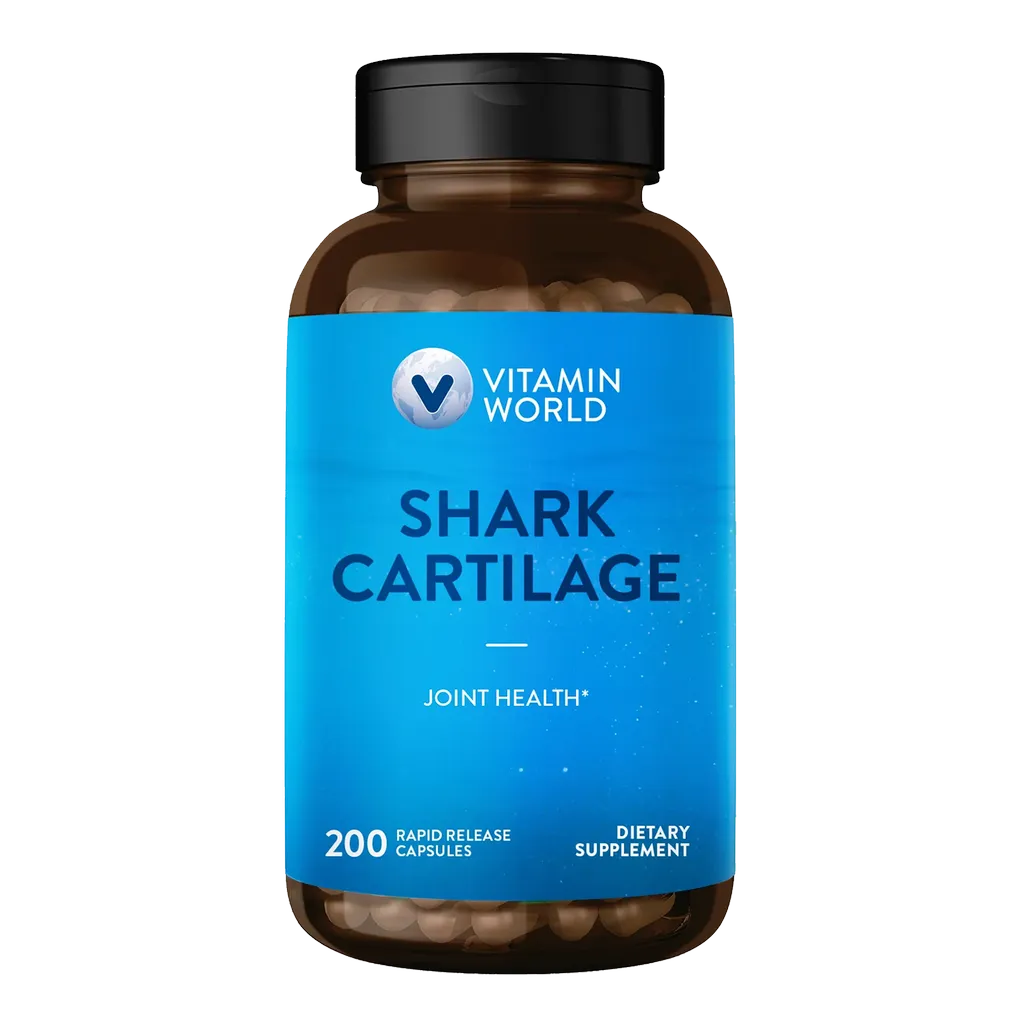
Shark cartilage may help support joint mobility.* Our formula may help improve flexibilty so you can dance, run, and explore with ease.*
Features & Highlights
Move freely.
Suggested Use:
For adults, take 1 to 6 capsules daily, preferably with meals.
Warnings:
If you are pregnant, nursing, taking any medications, planning any medical or surgical procedure or have any medical condition, consult your doctor before use. Discontinue use and consult your doctor if any adverse reactions occur. Keep out of reach of children. Do not use if seal under cap is broken or missing.
Storage Condition:
Store at room temperature.
Allergen Information:
Fish (Dogfish).
* These statements have not been evaluated by the Food and Drug Administration. This product is not intended to diagnose, treat, cure or prevent any disease.
Product Details
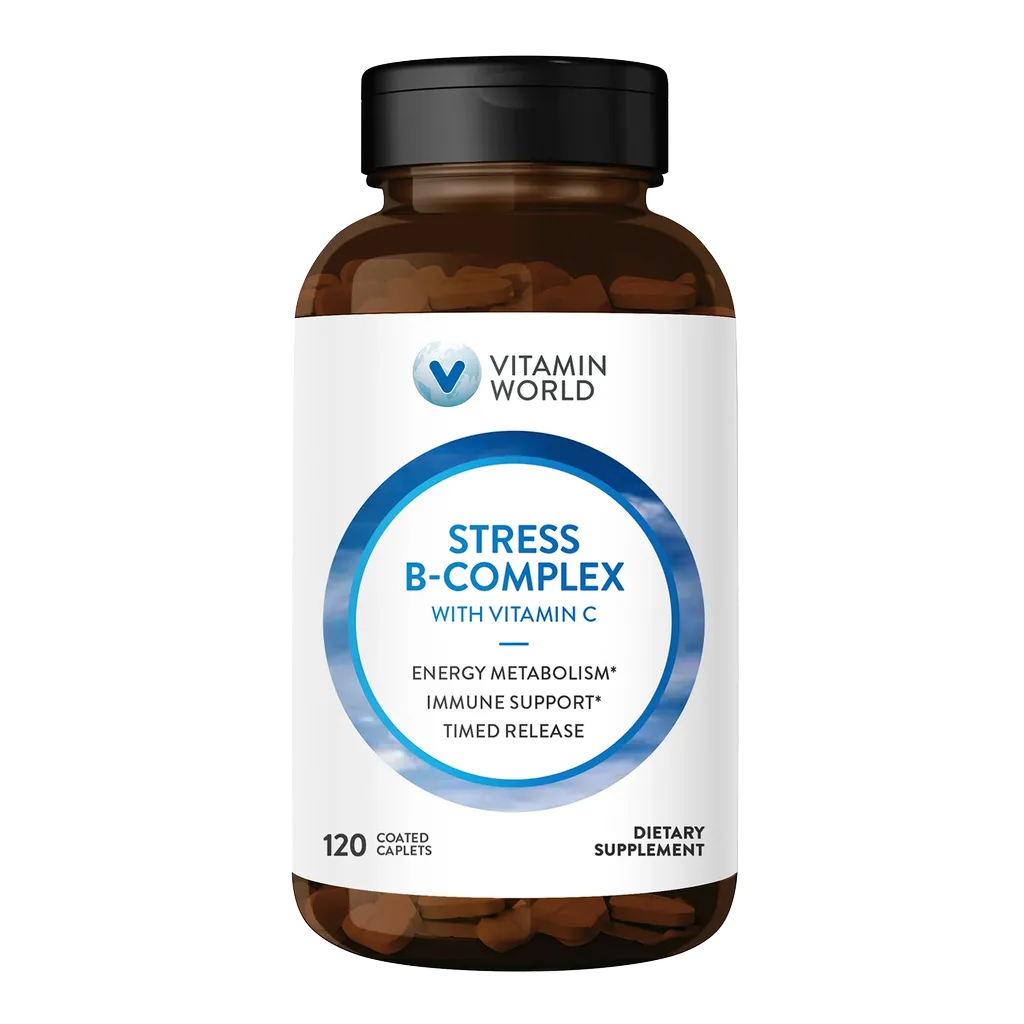
Fight the effects of stress.* Stress B-Complex promotes the healthy cell metabolism your body depends on.* Includes Vitamin C for immune support and antioxidants that can help counteract free radicals which can lead to oxidative stress and the premature aging of cells.*
Features & Highlights
Stress buster.
Energy metabolism*
Immune support*
Timed release
Suggested Use:
For adults, take 1 caplet daily, preferably with a meal.
Warnings:
If you are pregnant, nursing, taking any medications or planning any medical procedure, consult your doctor before use. Discontinue use and consult your doctor if any adverse reactions occur. Keep out of reach of children. Do not use if seal under cap is broken or missing.
Storage Condition:
Store in a cool, dry place.
Allergen Information:
Soy.
⚠ CALIFORNIA WARNING: Can expose you to lead, a reproductive toxicant. See www.P65Warnings.ca.gov.
* These statements have not been evaluated by the Food and Drug Administration. This product is not intended to diagnose, treat, cure or prevent any disease.

Product Details
When it comes to joint health, move it or lose it. Triple Strength Joint Mover™ with Vitamin D is designed to promote comfortable mobility, flexibility, and joint nourishment for day-to-day activities.*
Each serving of Triple Strength Joint Mover™ with Vitamin D is formulated with key ingredients such as glucosamine, which helps to nourish cartilage.* When taken daily, Joint Mover™ Triple Strength with Vitamin D helps support the cellular components within the joints.* This formula also provides the benefits of Vitamin D, which is vital for supporting the body’s absorption of calcium while also supporting overall bone health.*
Features & Highlights
Move it or lose it.
glucosamine
chondroitin
MSM
Suggested Use:
For adults, take 2 caplets daily, preferably with a meal.
Warnings:
If you are pregnant, nursing, taking any medications, including blood thinners, or have any medical condition, consult your doctor before use. Discontinue use and consult your doctor if any adverse reactions occur. Not intended for use by persons under the age of 18. Keep out of reach of children. Do not use if seal under cap is broken or missing.
Storage Condition:
Store at room temperature.
Allergen Information:
Shellfish (shrimp, crab, lobster, crayfish).
* These statements have not been evaluated by the Food and Drug Administration. This product is not intended to diagnose, treat, cure or prevent any disease.

Product Details
Everything you need to through the day, all in one convenient vitamin. All in. Grapeseed extract, elderberry, and resveratrol for antioxidant power in a single daily caplet.*
Features & Highlights
Meet your go anywhere, do anything, one is all it takes, feel better about yourself, daily multivitamin.
Antioxidant*
Energy & metabolism*
Stress management*
Immune support*
Suggested Use:
For adult men, take 1 caplet daily with a meal.
Warnings:
This product is intended for use by men and is not intended for use by women. If you are taking any medications, planning any medical or surgical procedure or have any medical condition, consult your doctor before use. Discontinue use and consult your doctor if any adverse reactions occur. Not intended for use by persons under the age of 18. Keep out of reach of children. Do not use if seal under cap is broken or missing. Contains ingredients that may result in a variation of color and appearance over time.
Storage Condition:
Store at room temperature.
* These statements have not been evaluated by the Food and Drug Administration. This product is not intended to diagnose, treat, cure or prevent any disease.
Product Details
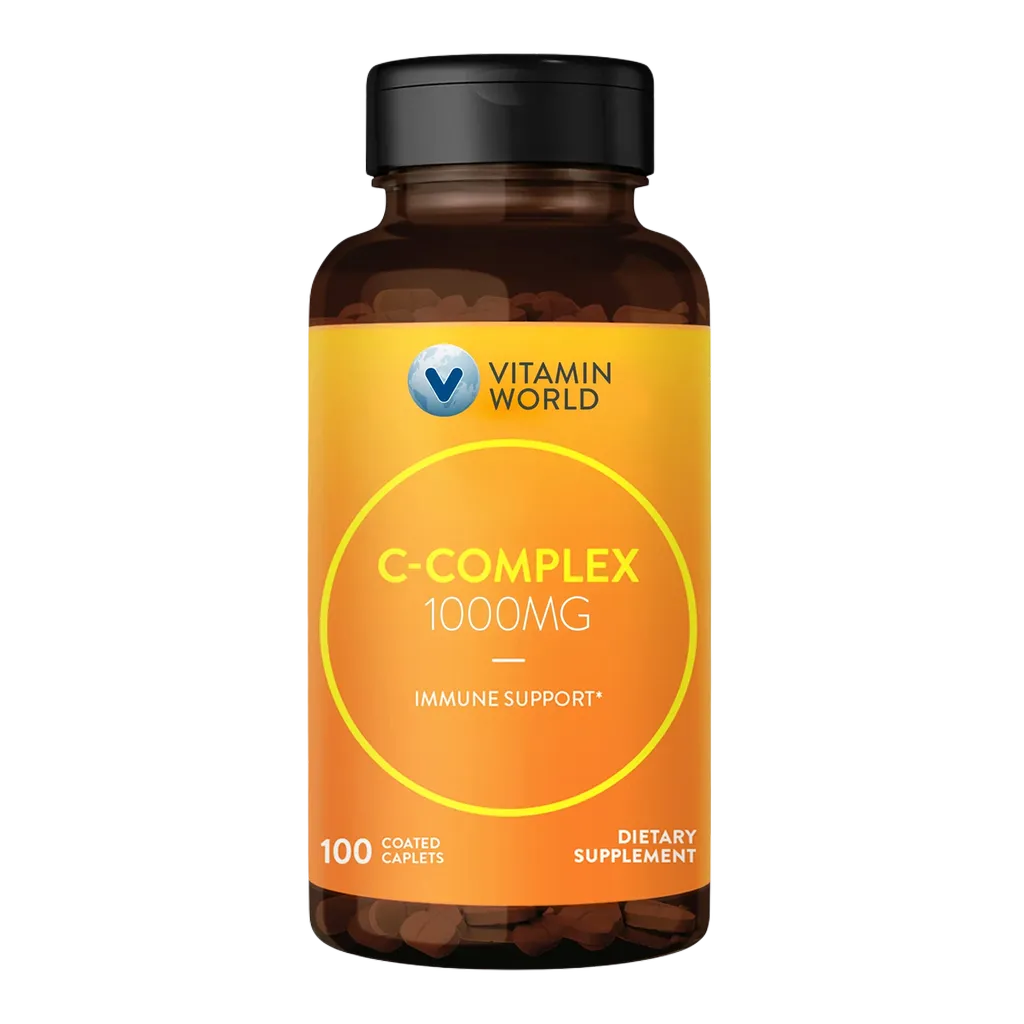
Formulated with powerful antioxidants your body needs to strengthen your immune system and defend your cells from free radical damage.*
Features & Highlights
Arm your immune system to keep on fighting.
Immune support*
Suggested Use:
For adults, take 1 caplet daily, preferably with a meal.
Warnings:
Not intended for use by pregnant or nursing women. If you are taking any medications or have any medical condition, consult your doctor before use. Discontinue use and consult your doctor if any adverse reactions occur. Keep out of reach of children. Do not use if seal under cap is broken or missing.
Storage Condition:
Store at room temperature.
* These statements have not been evaluated by the Food and Drug Administration. This product is not intended to diagnose, treat, cure or prevent any disease.
Product Details
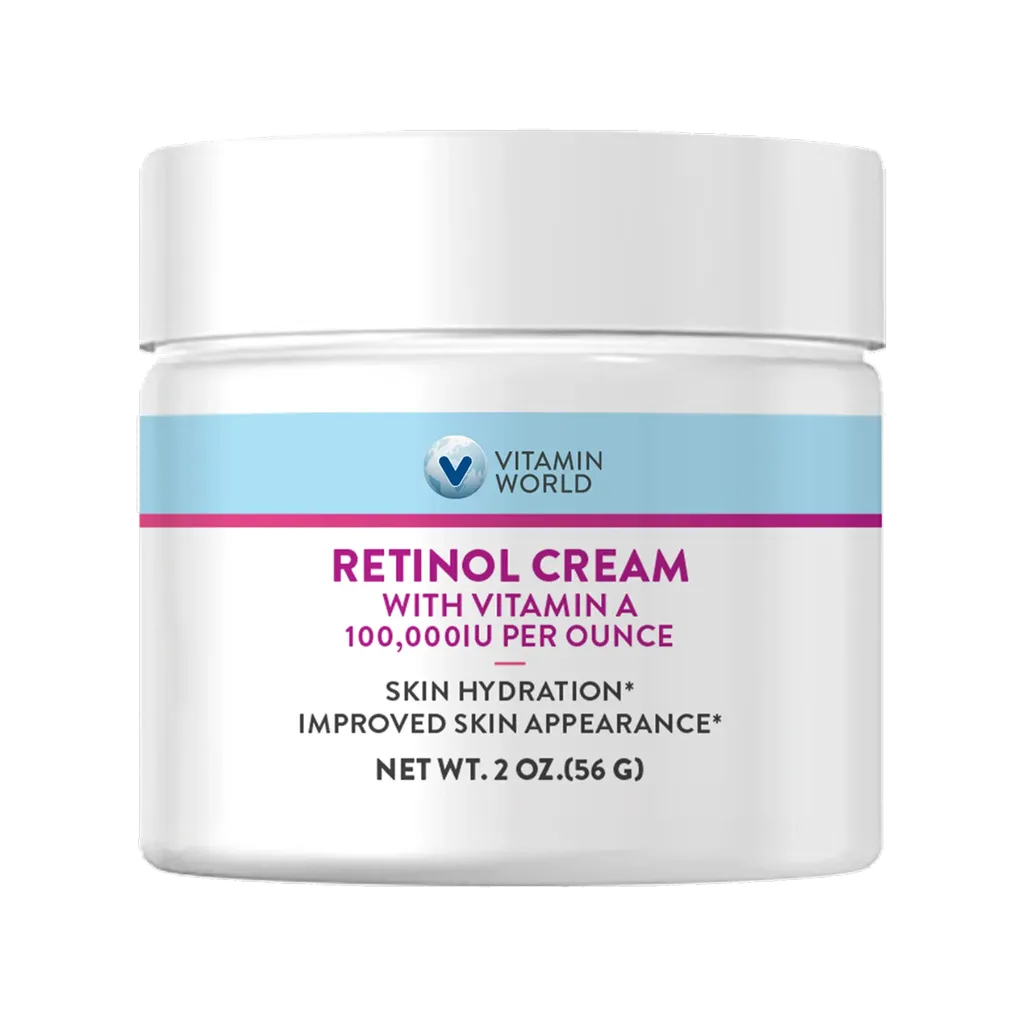
At night, Retinol Cream goes to work, revitalizing and hydrating your skin. Retinol Cream helps reduce the appearance of fine lines and wrinkles and can help set damaged skin on a healthier course.
Features & Highlights
Real beauty begins from within.
Skin hydration
Improved skin appearance
Suggested Use:
Apply a small amount to face at bedtime, after cleansing.
Warnings:
Do not apply to broken or irritated skin or areas affected by rashes. Discontinue use and consult your doctor if skin sensitivity occurs. Avoid contact with eyes. Do not use on children or animals. For external use only. Do not ingest. Keep out of reach of children.
* These statements have not been evaluated by the Food and Drug Administration. This product is not intended to diagnose, treat, cure or prevent any disease.
Product Details
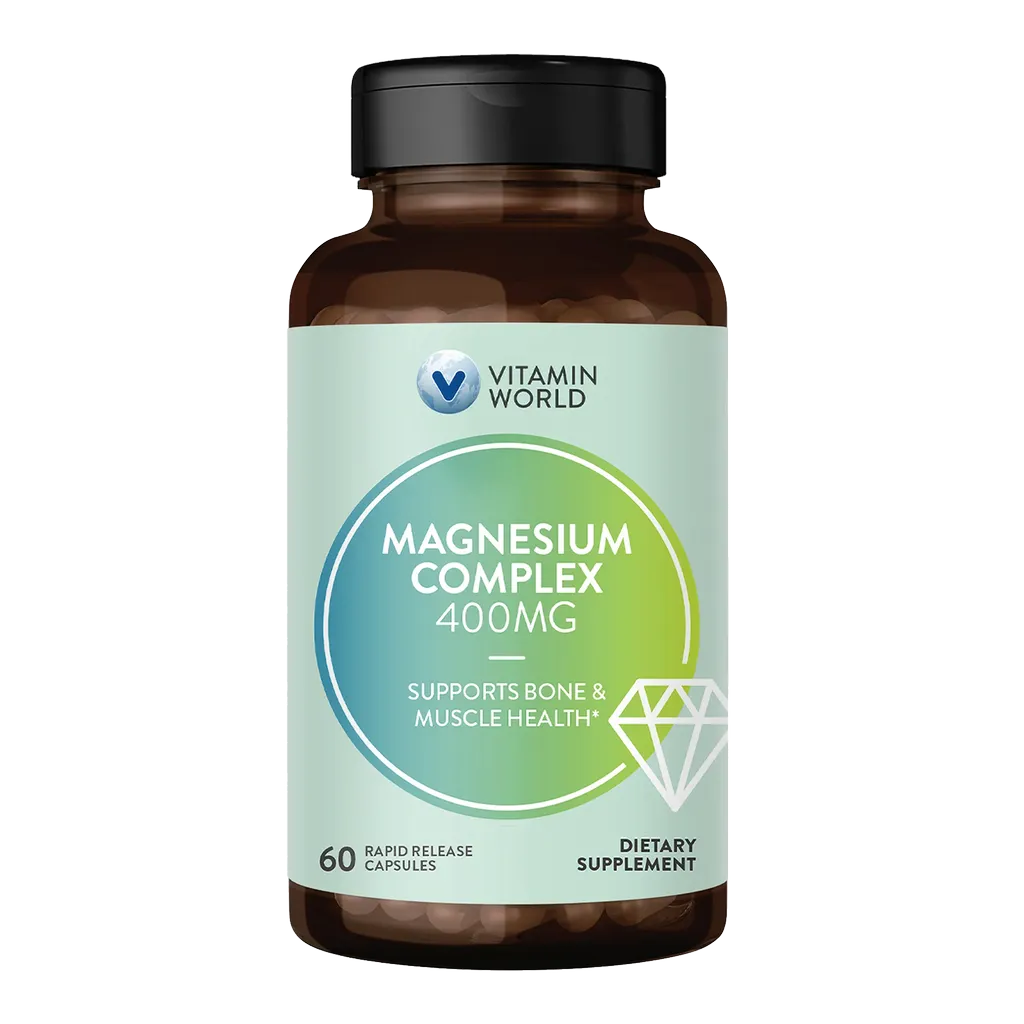
Magnesium Complex combines three forms of magnesium to help maintain muscle and nerve function.* This supplement provides Magnesium Oxide, Magnesium Aspartate, and Magnesium Citrate to contribute to normal physiological processes.*
Features & Highlights
Includes Magnesium Oxide, Aspartate, and Citrate for diverse support in one capsule.*
Helps your body maintain normal muscle and nerve function with essential magnesium.*
Each capsule provides a balanced dose to complement your daily routine.*
Suggested Use:
For adults, take 1 capsule daily, preferably with a meal.
Warnings:
If you are pregnant, nursing, taking any medications or have any medical condition, consult your doctor before use. Discontinue use and consult your doctor if any adverse reactions occur. Keep out of reach of children. Do not use if seal under cap is broken or missing.
Storage Condition:
Store at room temperature.
* These statements have not been evaluated by the Food and Drug Administration. This product is not intended to diagnose, treat, cure or prevent any disease.
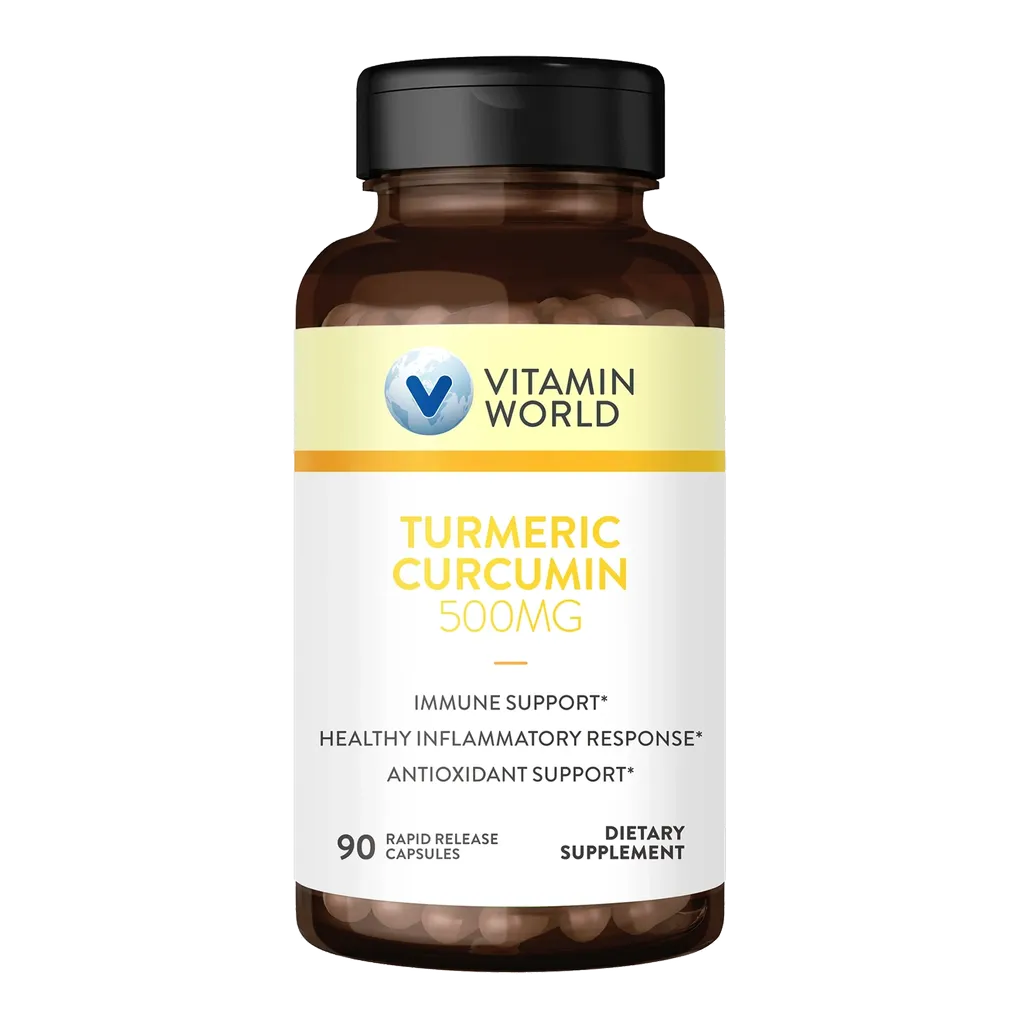
Product Details
Curcumin helps support healthy immune system function, and overall wellbeing.*
The active ingredients in Tumeric include beneficial flavonoids called Curcuminoids, which are plant-based antioxidants.* Antioxidants help fight cell-damaging free radicals in the body.* Free radicals can be produced from things like car exhaust, smoking, even your own body.
Features & Highlights
Fight free radicals.*
Immune support*
Antioxidant support*
Suggested Use:
For adults, take 1 capsule daily, preferably with a meal. Capsule may be opened and prepared as a tea.
Warnings:
If you are pregnant, nursing, taking any medications or have any medical condition, consult your doctor before use. Discontinue use and consult your doctor if any adverse reactions occur. Keep out of reach of children. Do not use if seal under cap is broken or missing.
Storage Condition:
Store at room temperature.
* These statements have not been evaluated by the Food and Drug Administration. This product is not intended to diagnose, treat, cure or prevent any disease.
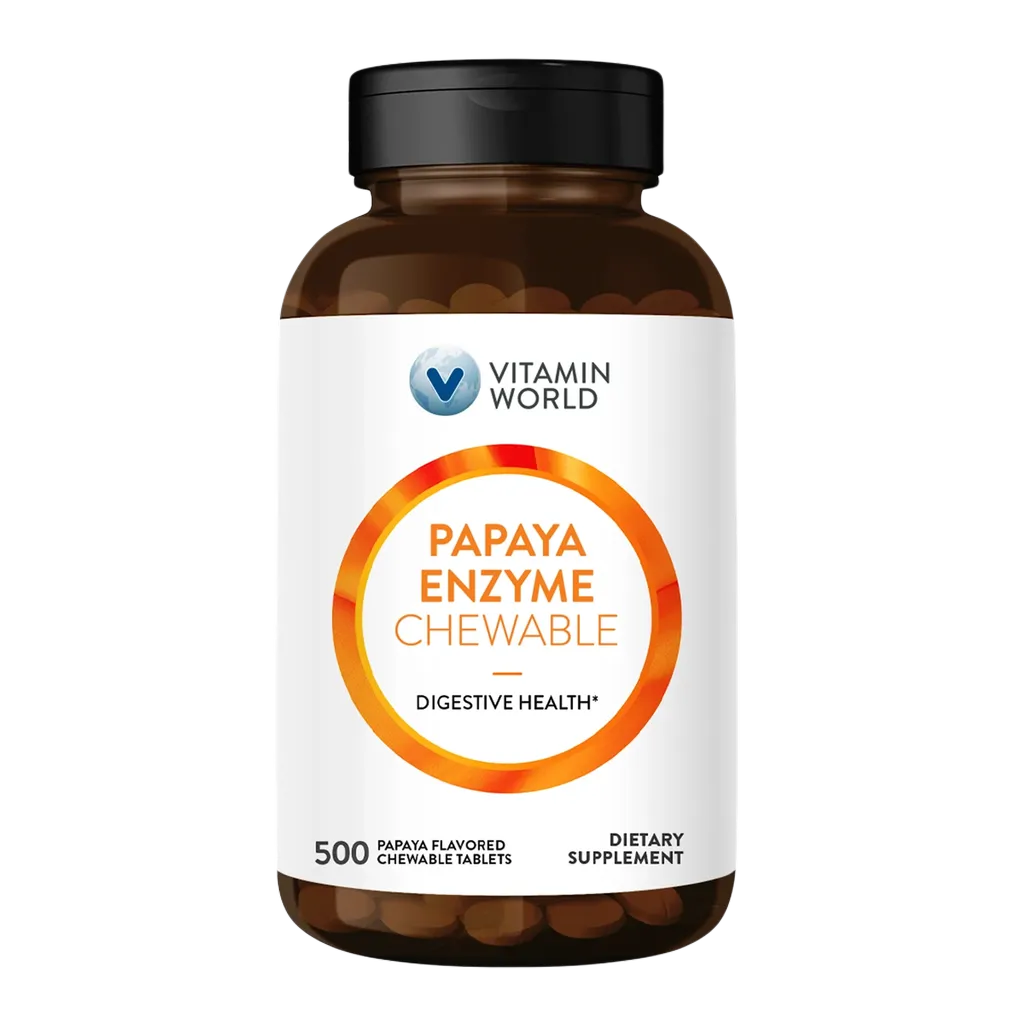
Product Details
Loaded with antioxidants and a powerful enzyme called papain, our Papaya Enzyme aids in digestion to support a healthy gastrointestinal system.*
Features & Highlights
Papaya power for digestive health.
Digestive health*
Suggested Use:
For adults, chew 3 tablets following a meal, 1 to 3 times daily.
Warnings:
If you are pregnant, nursing, taking any medications or have any medical condition, consult your doctor before use. Discontinue use and consult your doctor if any adverse reactions occur. Keep out of reach of children. Do not use if seal under cap is broken or missing.
Storage Condition:
Store at room temperature.
* These statements have not been evaluated by the Food and Drug Administration. This product is not intended to diagnose, treat, cure or prevent any disease.

Product Details
When you can’t get enough zinc in your diet, Chelated Zinc ensures you get a full supply of this vital nutrient.*
Zinc plays a role in over 300 enzymes in the body. It contributes to skin health as a component of the enzyme collagenase and also helps support immune function.*
Features & Highlights
Chelated for better absorption of zinc.
Immune support*
Suggested Use:
For adults, take 1 caplet daily, preferably with a meal.
Warnings:
If you are pregnant, nursing, taking any medications, or have any medical condition, consult your doctor before use. Discontinue use and consult your doctor if any adverse reactions occur. Keep out of reach of children. Do not use if seal under cap is broken or missing. Suitable for Vegetarians
Storage Condition:
Store at room temperature.
⚠ CALIFORNIA WARNING: Can expose you to lead, a reproductive toxicant. See www.P65Warnings.ca.gov.
* These statements have not been evaluated by the Food and Drug Administration. This product is not intended to diagnose, treat, cure or prevent any disease.
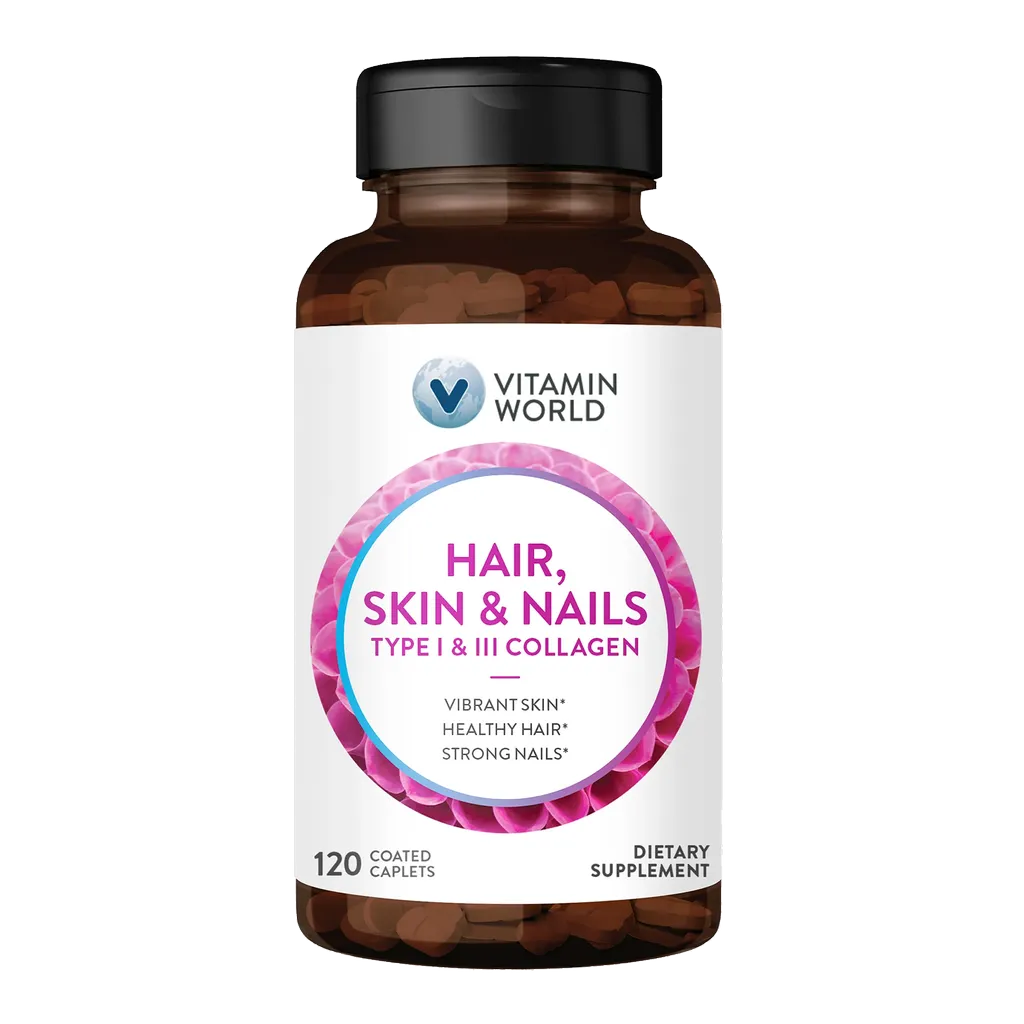
Product Details
Grow thicker hair, stronger nails, and promote a more youthful appearance.* Type I and III Collagen, with Biotin and essential vitamins, can help minimize the appearance of fine lines and wrinkles.*
Features & Highlights
Radiant beauty from the inside out.
Type i & iii collagen
Vibrant skin, healthy hair, strong nails*
Suggested Use:
For adults, take 3 caplets daily, preferably with a meal.
Warnings:
Please consult your doctor before use. Stop use and consult your doctor if any adverse reactions occur. Not intended for use by persons under the age of 18. Keep out of reach of children. Do not use if seal under cap is broken or missing.
Storage Condition:
Store at room temperature.
* These statements have not been evaluated by the Food and Drug Administration. This product is not intended to diagnose, treat, cure or prevent any disease.
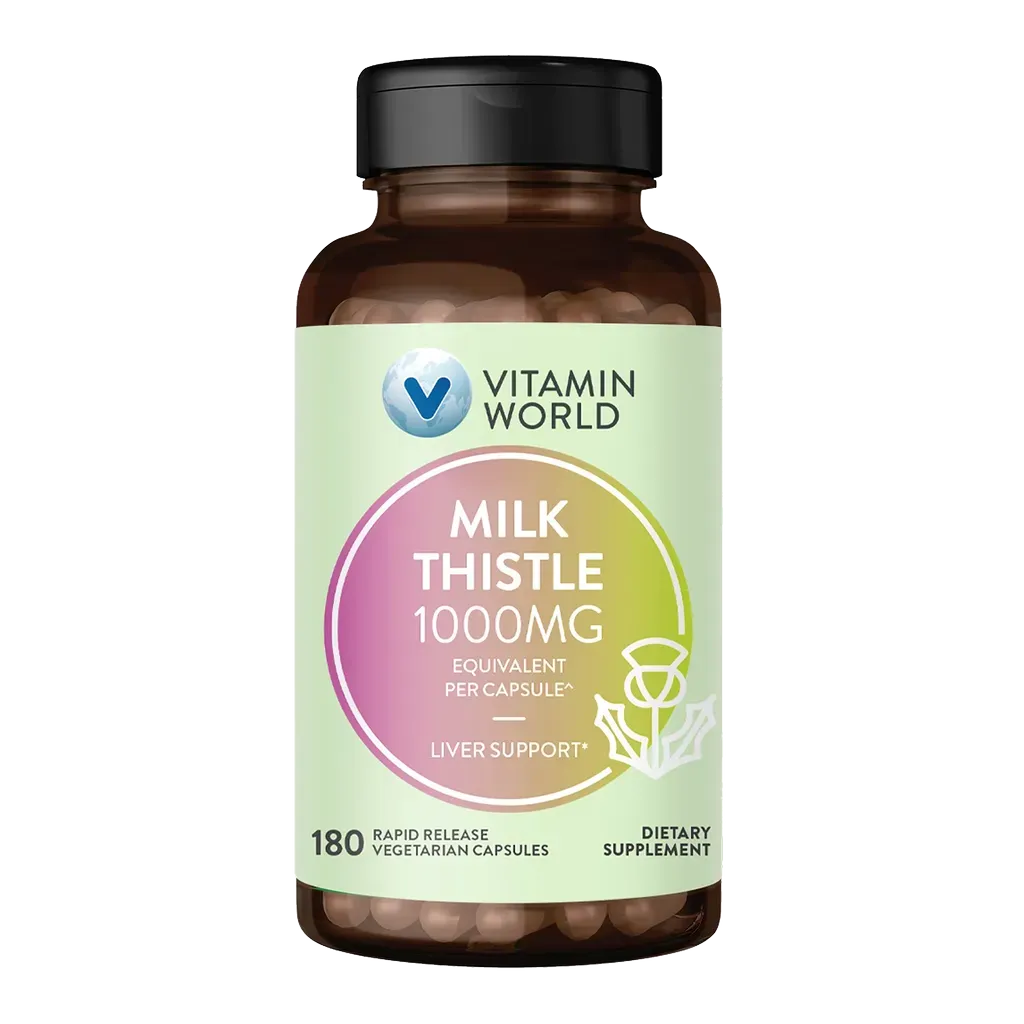
Product Details
Admit it, your liver needs all the help it can get. Start with Milk Thistle, which may help prevent liver injury from toxins, and reduce liver inflammation.*
Milk Thistle extract is derived from the milk thistle seed and has been used in Greek health practices for over 2,000 years.
Features & Highlights
Clean liver.*
Liver support*
Suggested Use:
For adults, take 1 capsule once or twice daily, preferably with meals.
Warnings:
If you are pregnant, nursing, taking any medications or have any medical condition, consult your doctor before use. Avoid this product if you are allergic to ragweed or daisy-like flowers. Discontinue use and consult your doctor if any adverse reactions occur. Not intended for use by persons under the age of 18. Keep out of reach of children. Do not use if seal under cap is broken or missing.
Storage Condition:
Store at room temperature.
* These statements have not been evaluated by the Food and Drug Administration. This product is not intended to diagnose, treat, cure or prevent any disease.
Product Details
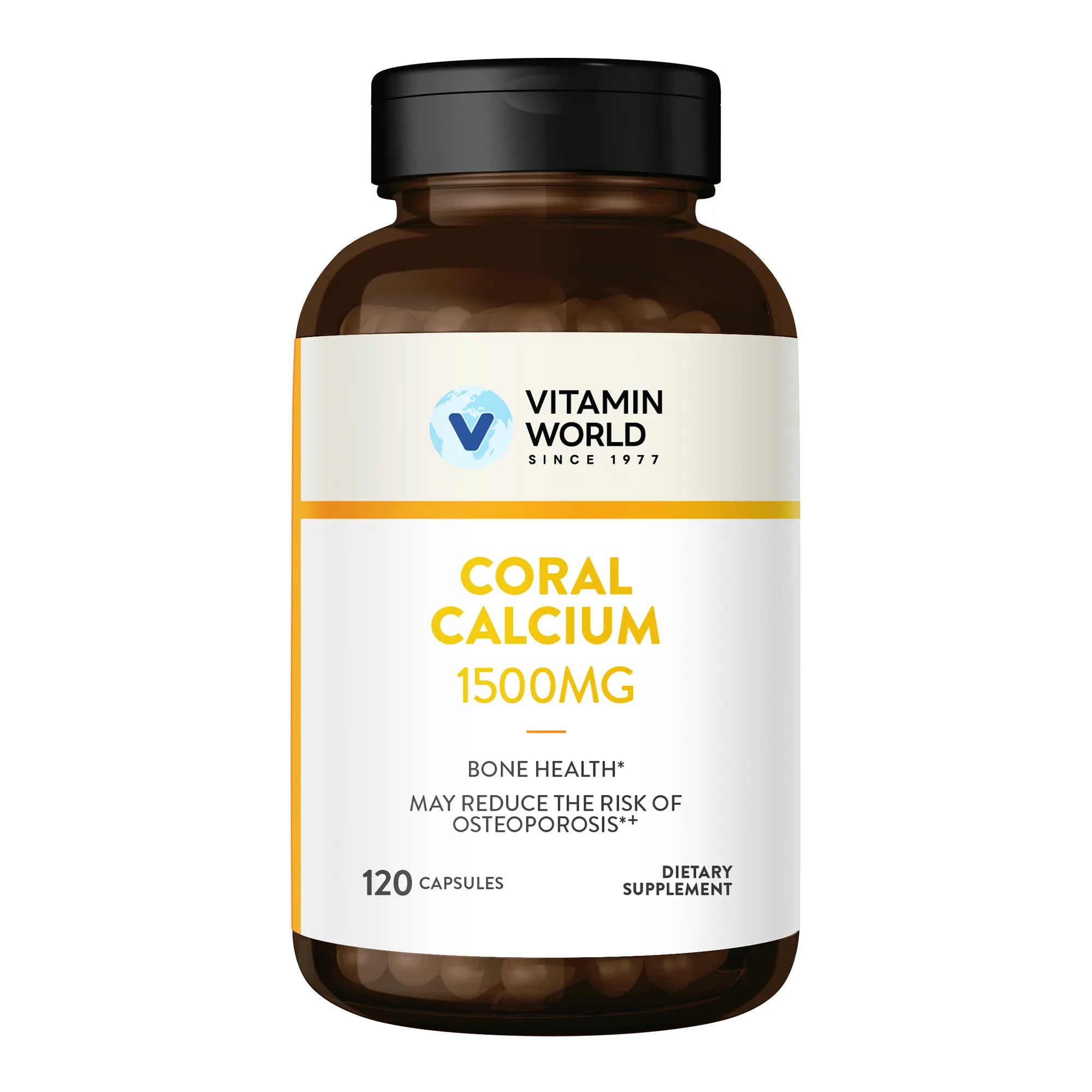
Coral Calcium 1,500 mg is formulated to provide bone health support in a convenient capsules format.*
Features & Highlights
Coral Calcium 1,500 mg
Bone Health Support*
120 Capsules
* These statements have not been evaluated by the Food and Drug Administration. This product is not intended to diagnose, treat, cure or prevent any disease.
Product Details
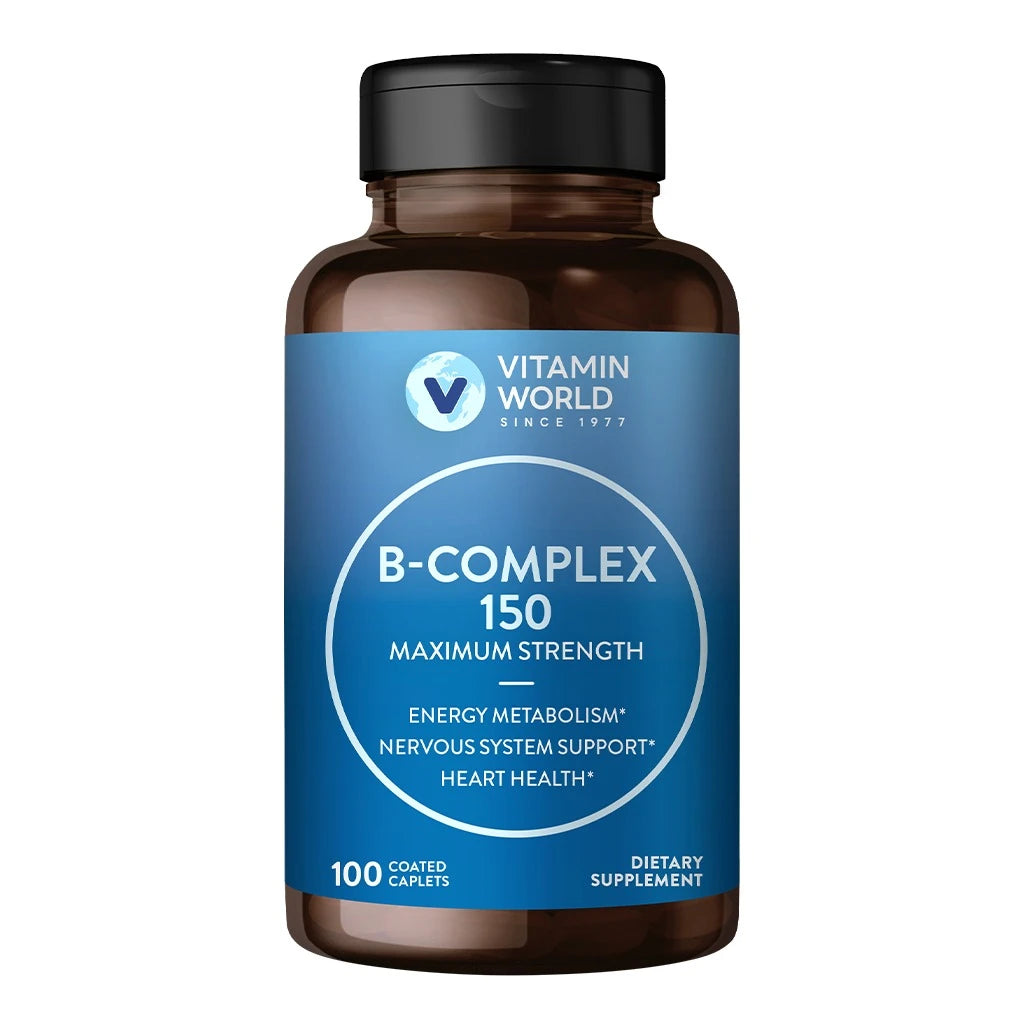
The building blocks of daily health begin with B-Complex 150. Essential for increased energy, brain function, cell, and cardiovascular health.*
Features & Highlights
B your best.
Energy metabolism*
Nervous system support*
Heart health*
Suggested Use:
For adults, take 1 caplet daily, preferably with a meal.
Warnings:
If you are pregnant, nursing, taking any medications or planning any medical procedure, consult your doctor before use. Discontinue use and consult your doctor if any adverse reactions occur. Keep out of reach of children. Do not use if seal under cap is broken or missing.
Storage Condition:
Store in a cool, dry place.
Allergen Information:
Soy.
* These statements have not been evaluated by the Food and Drug Administration. This product is not intended to diagnose, treat, cure or prevent any disease.


